Where Families Learn & Grow Together

Established in 1952, Fort Collins Preschool is proud to be the city’s oldest preschool, nurturing generations of young learners with a legacy of care and excellence.
✔ Programs for 2 - 5 year olds
✔ Accepts UPK
✔ Parental Involvement
✔ Built-in Community
✔ Low Child-to-Adult Ratio
✔ Programs for 2 - 5 year olds ✔ Accepts UPK ✔ Parental Involvement ✔ Built-in Community ✔ Low Child-to-Adult Ratio
Become Part of Our Learning Family
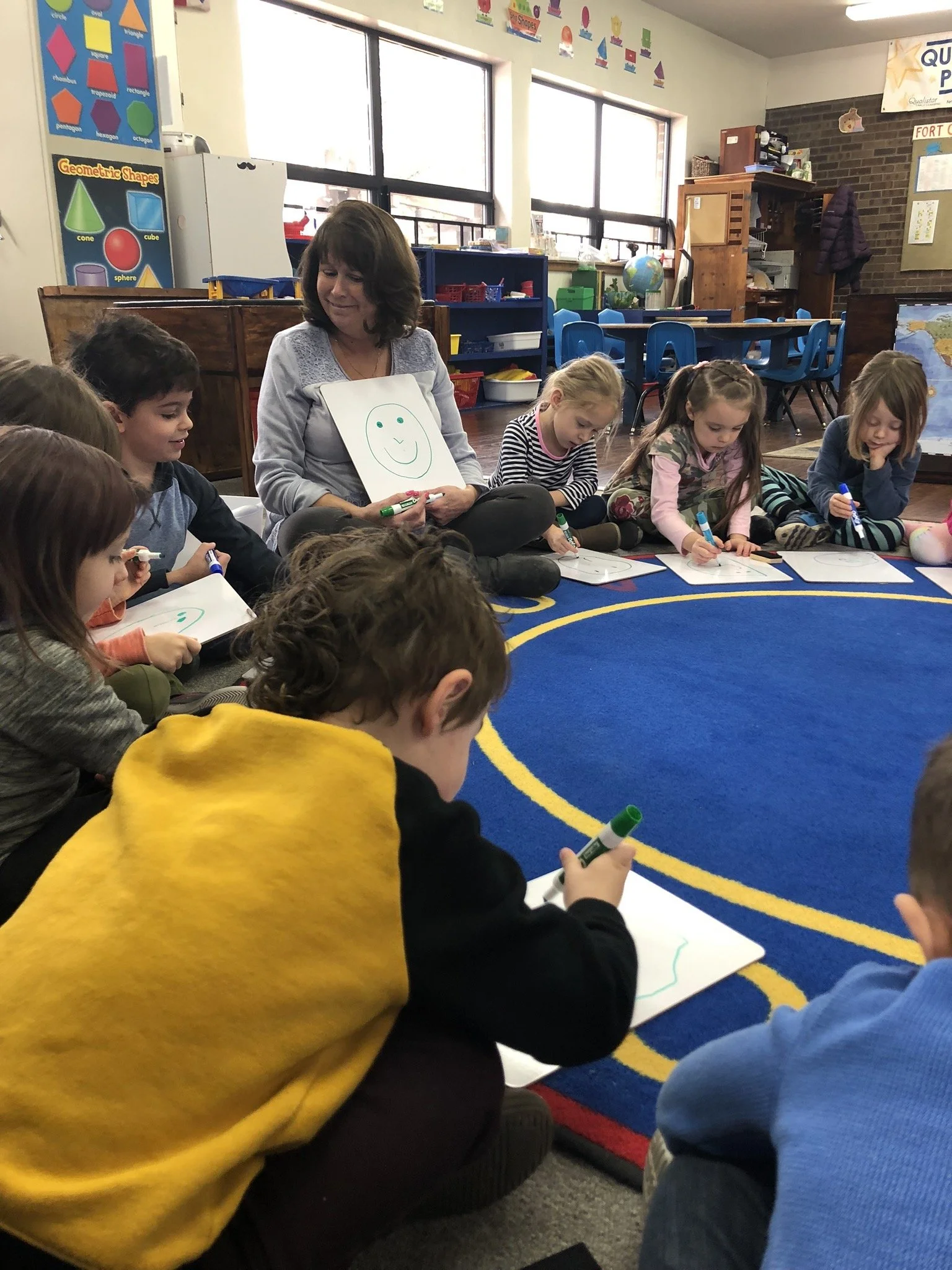
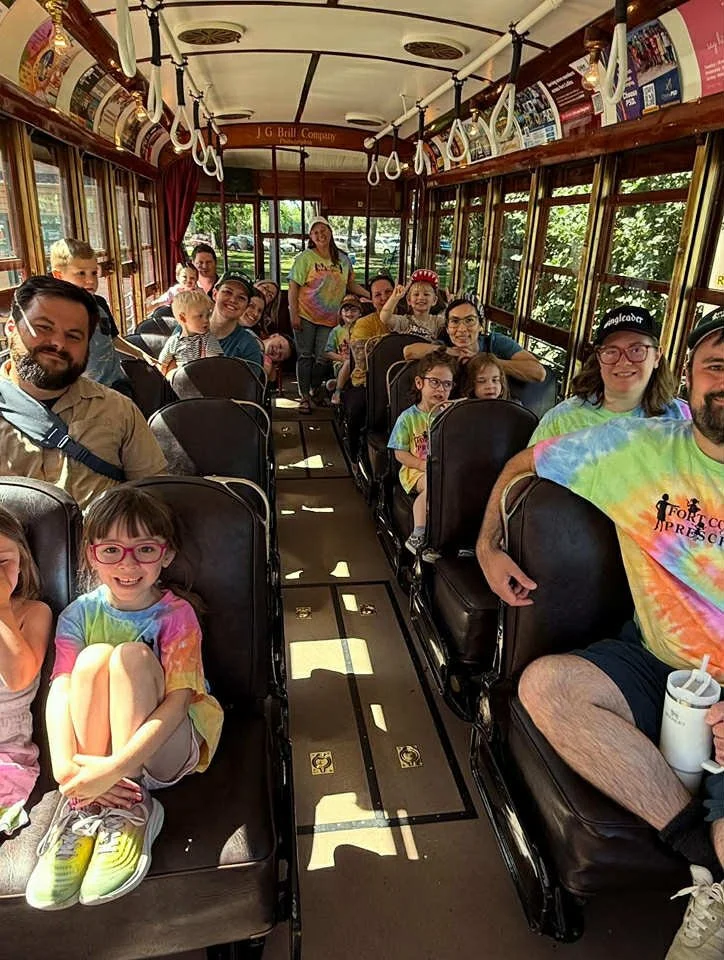
At Fort Collins Preschool, we believe that early childhood education thrives through meaningful collaboration between families and educators. As a parent-involved, cooperative preschool, our model empowers families to actively participate in their child’s educational journey within a professionally guided, play-based curriculum.
Explore Our Programs
-
Fort Collins Preschool’s 2-Year-Old Parent Tot class offers a positive and reassuring environment where children are able to explore, experience, and interact with peers while having the security of their parent being close by. Our Parent Tot class is also a fantastic way for parents to acquire new ideas for interacting with their child, to view positive parenting methods being modeled by a trained child educator, and an opportunity to foster their own friendships with other families.
Mondays 9:15 a.m. - 11:15a.m.
-
Our supportive environment will encourage social growth in your 3-year-old child. A low child-to-adult ratio helps develop trusting relationships with other adults and supports positive social experiences with other preschool-age children. Intermediate children focus on early literacy, language development, reasoning and early math and science skills, independence and self-regulation, and creativity and self-expression. Stimulating, planned activities will provide a basis for exploration and discovery and will invite your child to become actively involved in his/her new school.
Tuesdays & Thursdays 9:00 a.m. - 11:30 a.m.
-
Your 4-year-old child’s natural desire to learn and increasing need to develop friendships will bloom and grow in our Pre-Kindergarten class. Our family-oriented group setting allows for many individual and group relationships that often involve parents and entire families as well as our own preschool children.
Our curriculum is developmentally appropriate for the age of the children in the Pre K class. Pre K curriculum promotes early literacy with more emphasis on concepts in print, phonemic awareness and letter recognition. There are increased opportunities to develop and enhance math skills. Counting, patterning, and graphing activities are planned. Social competence and self-regulation is emphasized and children are supported in problem solving. Children are provided opportunities for creativity and self-expression. They are also given opportunities for motor skill development. In addition, professional instruction in art and music is provided. Your four-year-old child will begin to function more independently in a group setting, and will gain proficiency in social abilities and build a foundation of cognitive skills in anticipation for success in school.
Mondays, Wednesdays & Fridays 9:00 a.m. - 12:20 p.m.
-
Jr K curriculum promotes early literacy with more emphasis on concepts in print, phonemic awareness and letter recognition. We offer increased opportunities to develop and enhance math skills. Counting, patterning, and graphing activities are planned. Social competence and self-regulation is emphasized and children are supported in problem solving. Children are provided opportunities for creativity and self-expression. They are also given opportunities for motor skill development. In addition, professional instruction in art and music is provided. Your child will begin to function more independently in a group setting, and will gain proficiency in social abilities and build a foundation of cognitive skills in anticipation for success in school.
Tuesday to Friday 9:00 a.m. - 12:20 p.m.
Our Families Say…
Schedule a Tour
or Contact Us to Learn More